Source Waterproof Anti Wrinkle Golf Shorts for Golf, Travel, and Fitness
Find and compare 30 listings for waterproof anti wrinkle golf shorts designed for durability and comfort. Evaluate options featuring quick-dry fabrics, mid-waist designs, and custom OEM services to match your specific apparel requirements.
Key considerations
Products List
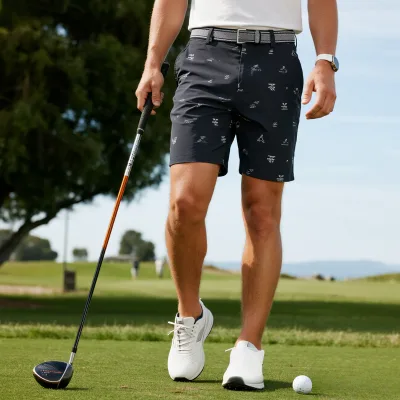
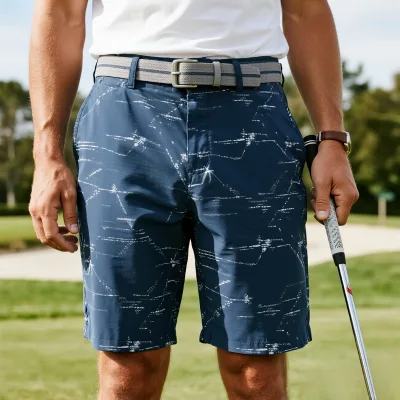


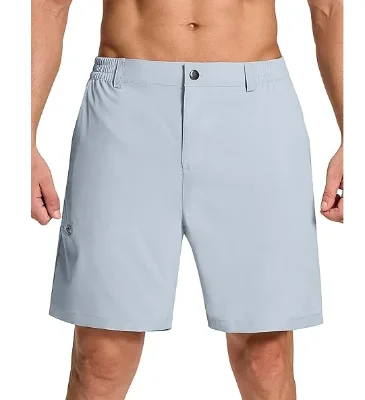
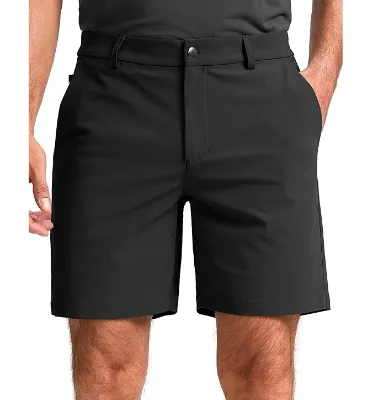


Comprehensive Sourcing Guide
Waterproof Anti Wrinkle Golf Shorts Sourcing Guide
Sourcing high-performance golf apparel requires a nuanced understanding of material science and manufacturing capabilities, particularly when balancing the conflicting demands of water resistance and wrinkle prevention. Golf shorts serve as a critical component of athletic wear, designed to withstand variable weather conditions while maintaining a polished aesthetic suitable for club environments. The core keyword "waterproof anti wrinkle golf shorts" points to a specialized segment where fabric technology must deliver immediate moisture protection without compromising the drape or structure of the garment. Buyers must recognize that achieving true waterproofing in a breathable, lightweight short often involves complex membrane laminations or durable water repellent (DWR) treatments that interact differently with anti-wrinkle finishes.
This guide provides evidence-based procurement strategies for sourcing these specific garments, focusing on verified technical attributes and commercial realities observed in the current market. By examining the intersection of functional features such as quick-drying properties and structural elements like mid-waist designs, buyers can better evaluate supplier claims. The following sections detail the product scope, technical verification steps, compliance requirements, cost structures, and long-term quality checks necessary to secure a reliable supply chain for this niche athletic category.
Product Scope and Observed Listing Signals
The current market landscape for golf shorts reveals a diverse range of product configurations, with observed listings indicating a price range of $4.20 to $30.30 USD and minimum order quantities (MOQs) varying significantly from 2 to 1,000 units. This wide variance suggests that the category encompasses both low-cost promotional items and higher-end performance wear, necessitating careful filtering based on specific material compositions and feature sets. Buyers should note that while many listings advertise generic "anti-wrinkle" or "quick-dry" features, the specific combination of waterproofing and wrinkle resistance is less common and often requires custom specification or premium material selection.
Observed product attributes highlight a strong emphasis on versatility and customization, with many suppliers offering OEM services and custom logo placement. Common materials include blends of Spandex, Polyester, and Nylon, which are selected for their elasticity and durability, while fabric weights typically hover around 130 grams, balancing lightness with structural integrity. The presence of features such as UV protection, breathability, and windproofing indicates that modern golf shorts are engineered for comprehensive environmental protection. However, buyers must distinguish between standard moisture-wicking fabrics and those explicitly treated or constructed for waterproof performance, as the latter often commands a higher price point and stricter quality control.
Technical Specifications to Verify
When evaluating technical specifications, buyers must prioritize the verification of fabric composition and weave structure, as these directly influence both waterproofing and wrinkle resistance. Trusted category knowledge indicates that effective waterproofing in golf shorts often relies on tight knit structures or laminated membranes, while anti-wrinkle properties are frequently achieved through specific synthetic blends or chemical finishes. Suppliers may list materials such as Spandex/Polyester or Spandex/Nylon blends, but the exact percentage of each fiber and the weaving method—whether knitted or woven—must be confirmed to ensure the garment meets performance expectations. Additionally, the presence of a zipper fly or drawstring closure can impact the garment's fit and water ingress points, requiring careful inspection of seam sealing and hardware quality.
Feature verification should extend beyond basic attributes to include specific performance claims such as anti-static, moisture-wicking, and eco-friendly certifications. Buyers should request detailed product data sheets that specify the fabric weight, single package dimensions, and gross weight to assess shipping efficiency and material density. It is also crucial to verify the printing methods used for logos and patterns, as heat-transfer printing or embroidery can affect the fabric's breathability and water repellency. Confirming the availability of sample orders with a seven-day lead time allows buyers to physically test the anti-wrinkle recovery and water resistance of the material before committing to larger production runs.
Compliance and Safety Documentation
Compliance and safety documentation are paramount when sourcing athletic wear, particularly for products marketed with specific performance claims like waterproofing and UV protection. Buyers must ensure that suppliers adhere to relevant textile safety standards, which often include restrictions on harmful substances and requirements for accurate labeling. The presence of needle detection services, as noted in some supplier profiles, is a critical quality control measure that ensures no metal fragments remain in the finished garments, protecting both the consumer and the integrity of the fabric. This step is essential for maintaining brand reputation and avoiding liability issues related to product safety.
Furthermore, buyers should verify that all labeling and packaging comply with international trade regulations, including accurate country of origin markings and fiber content disclosures. Since many suppliers operate from manufacturing hubs like Guangdong, China, understanding local export requirements and the specific certifications held by the factory is vital. Documentation should also cover any eco-friendly claims, ensuring that materials and processes meet recognized environmental standards. Buyers must request test reports for water repellency and wrinkle resistance, as these are not always standard compliance items but are critical for validating the product's core value proposition.
Cost Drivers and Commercial Terms
Cost drivers for waterproof anti-wrinkle golf shorts are influenced by material complexity, customization levels, and order volume. The observed price range of $4.20 to $30.30 USD reflects the disparity between basic polyester blends and advanced multi-functional fabrics with specialized coatings. Buyers should anticipate higher unit costs for garments featuring complex constructions, such as laminated waterproof membranes or intricate embroidery, as these processes require more time and skilled labor. Additionally, the availability of OEM services and custom designs often incurs setup fees or higher MOQs, which can impact the overall cost structure for smaller orders.
Commercial terms, including lead times and payment conditions, vary significantly among suppliers. While some suppliers offer rapid sample turnaround times of seven days, bulk production lead times can extend depending on the complexity of the order and the availability of raw materials. Buyers should negotiate clear terms regarding packaging, such as polybag or carton quantities, to optimize logistics costs. It is also important to clarify responsibilities for shipping and insurance, especially when dealing with international suppliers. Understanding these commercial dynamics allows buyers to budget accurately and plan inventory levels effectively, minimizing the risk of stockouts or excess inventory.
Supplier Qualification and Quality Control
Supplier qualification requires a rigorous assessment of manufacturing capabilities, quality control processes, and past performance. Buyers should prioritize suppliers who demonstrate transparency in their production processes, including detailed information about their facilities, equipment, and workforce. The ability to provide references or case studies from previous clients can offer valuable insights into a supplier's reliability and consistency. Additionally, verifying the supplier's capacity to handle custom orders, including logo placement and design modifications, is essential for brands seeking unique product offerings.
Quality control measures should be established at multiple stages of production, from raw material inspection to final product testing. Buyers should implement pre-production samples, during-production inspections, and pre-shipment inspections to ensure that the final products meet specified standards. Key quality indicators include stitch density, seam strength, colorfastness, and the consistency of waterproof and anti-wrinkle treatments. Establishing a clear communication channel with the supplier for addressing defects or discrepancies is crucial for maintaining product quality and fostering a collaborative partnership. Regular audits and performance reviews can help identify areas for improvement and ensure long-term supplier reliability.
Long-Term Procurement Checks
Long-term procurement success depends on continuous monitoring of supplier performance, market trends, and product innovation. Buyers should regularly review supplier metrics, including on-time delivery rates, defect rates, and responsiveness to issues, to identify potential risks and opportunities for improvement. Staying informed about advancements in fabric technology, such as new waterproofing treatments or sustainable materials, can help buyers remain competitive and meet evolving consumer demands. Additionally, diversifying the supplier base can mitigate risks associated with single-source dependencies and provide flexibility in responding to market fluctuations.
Building strong relationships with suppliers through regular communication and collaborative planning can enhance supply chain resilience and drive mutual growth. Buyers should engage in strategic discussions about future product developments, capacity planning, and cost optimization strategies to align with their long-term business goals. By maintaining a proactive approach to supplier management and staying attuned to industry changes, buyers can secure a reliable supply of high-quality waterproof anti-wrinkle golf shorts that support their brand's reputation and market position.
FAQs
What materials are used for these golf shorts?
The shorts are constructed from a blend of Spandex and Polyester or Spandex and Nylon to ensure durability and stretch. This fabric composition supports the quick-drying and breathable features required for active wear while maintaining a comfortable fit during play.
Can I customize the logo and label on the shorts?
Yes, customization is available for both the logo and the label on these shorts. The logo can be placed on the front, and the product supports custom designs with embroidered or heat-transfer printing methods to meet specific branding requirements.
What is the lead time for sample orders?
A sample order lead time of 7 days is supported for these products. This allows buyers to verify the quality and specifications of the knee-length shorts before committing to a larger bulk order with the manufacturer.
Which sizes are available for these men's shorts?
The shorts are available in a wide range of sizes from XS to 6XL to accommodate various body types. Additionally, some variations may come in a free size option, ensuring a suitable fit for most adult buyers seeking casual or athletic wear.
What features do these shorts offer for outdoor sports?
These shorts offer multiple performance features including anti-wrinkle, quick-dry, breathable, anti-UV, and windproof capabilities. They are designed for ball sports, soccer, racing, cycling, and fitness, ensuring comfort and protection in various weather conditions.
Where are these golf shorts manufactured?
The products originate from Guangdong, China, which is a known hub for textile manufacturing. This location supports the OEM service model, allowing for flexible production runs and efficient logistics for international buyers sourcing these specific athletic garments.